Product Design (UX/UI) · Product Management · Innovation Strategy · AI and Design Research

Amanda Lopes Oliveira

Working at the intersection of design, research, strategy and AI — to build things people actually need.

About

Hello, I'm Amanda.

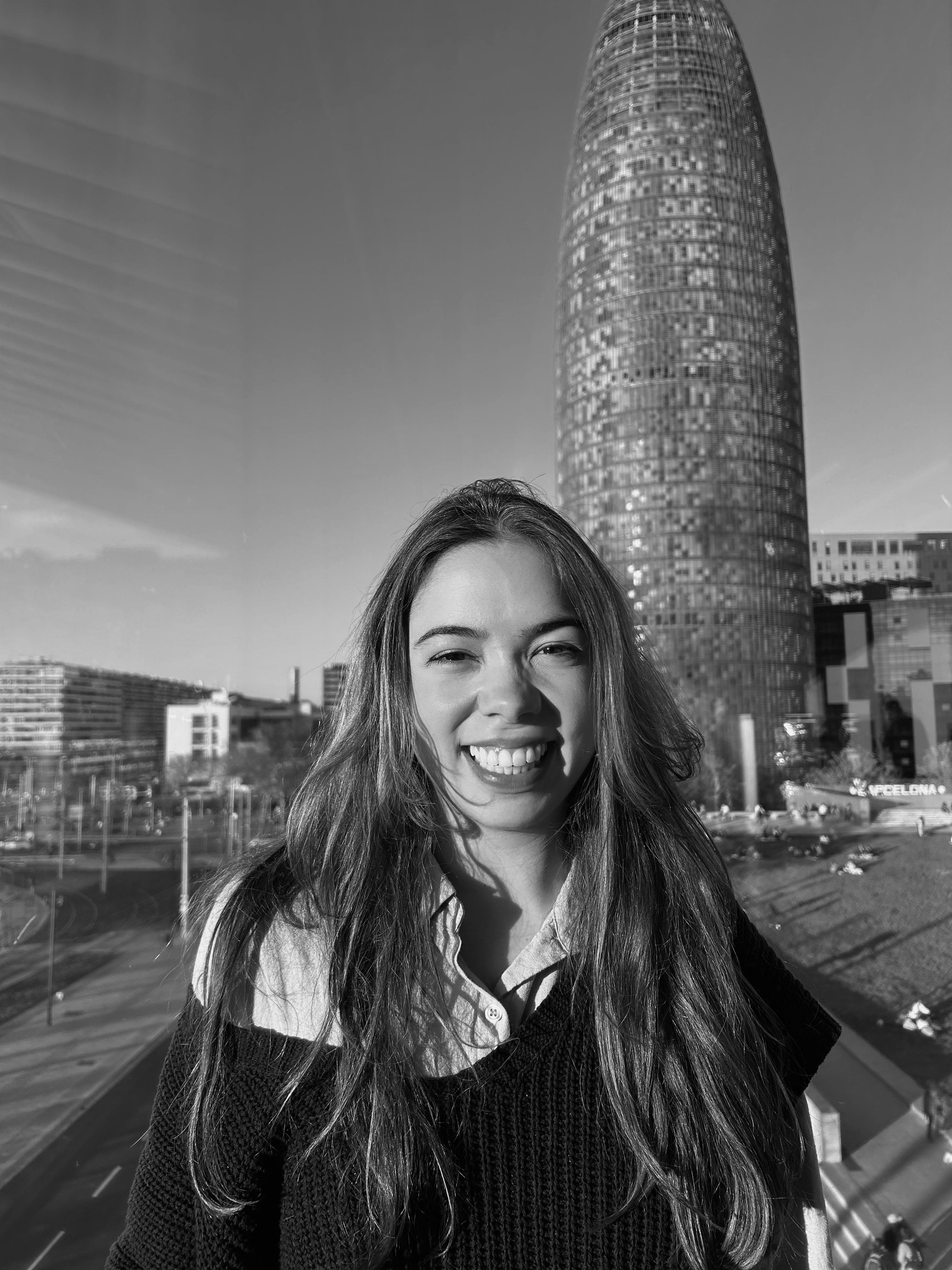
A designer and doctoral researcher based in Lisbon, working at the intersection of design, technology and equity.

Nine years building my practice across innovation centers, startups, research institutions, tech companies and consultancies. Seven in Brazil, two in Portugal.

My PhD investigates how generative AI and feminist foresight can reshape innovation ecosystems. Not as abstract theory, but as real tools for changing who gets to participate in innovation, and on what terms.

Design, to me, is less about screens and more about the conditions that make innovation possible. And who gets to shape them.

Brands I've Worked With

Selected brands and organizations Amanda has worked with

Capabilities

Research

Understanding how people and generative AI shape each other.

Strategy

Turning insight into direction.

Design

Creating intuitive, accessible experiences.

Facilitation

Turning group thinking into shared decisions.

Skills

  • Product Design
  • UX/UI Design
  • Product Management
  • Product Strategy
  • Service Design
  • Innovation Strategy
  • UX Research
  • Generative AI
  • Design Systems
  • Accessibility
  • Facilitation
  • Design Futures

Experience

[Experience timeline — content pending. Structure ready for roles, organizations and highlights.]

Selected Work

Innovation Strategy

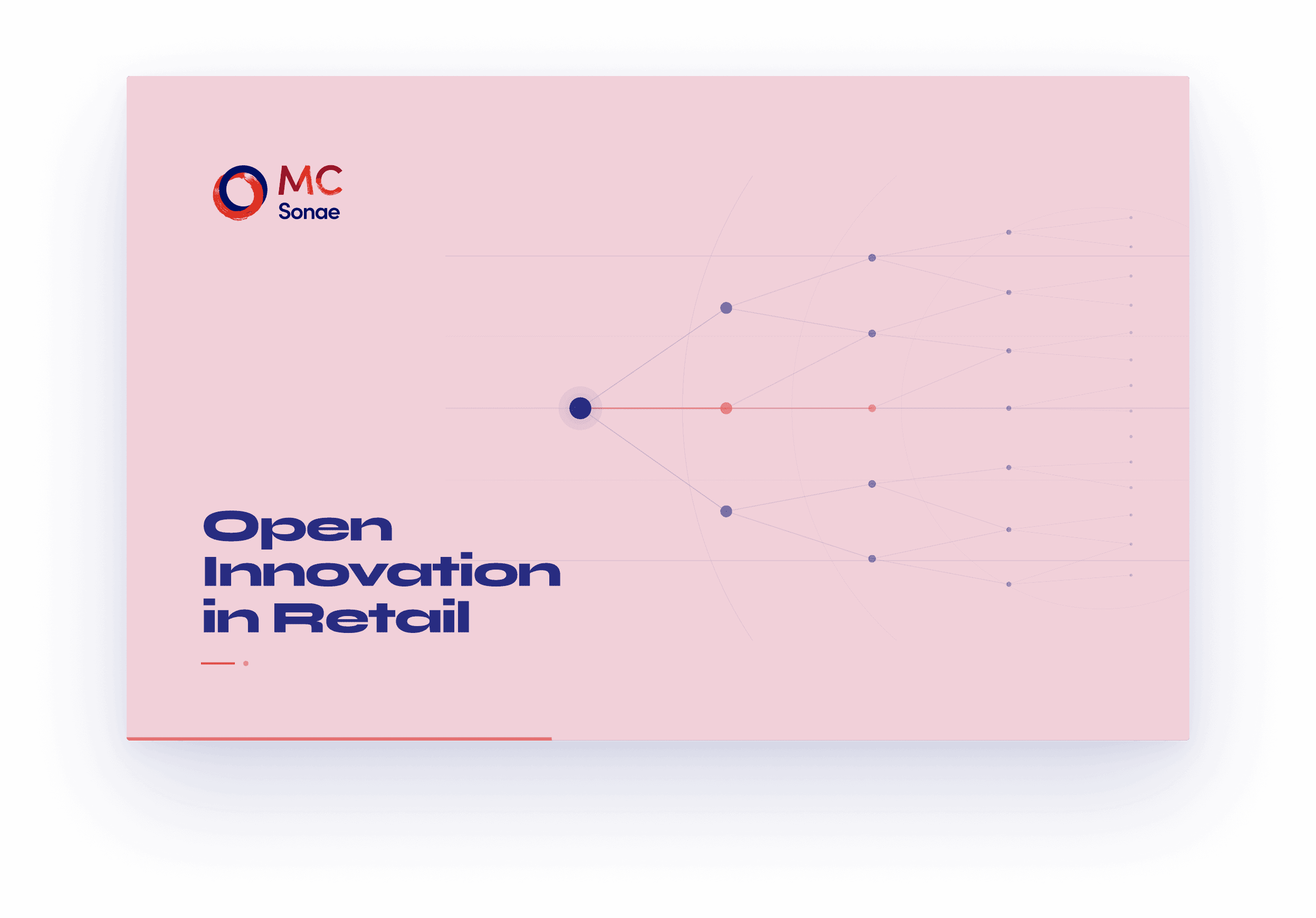
73 startups scouted, 20 PoCs approved: running Portugal's largest retailer's innovation funnel

MC Sonae · Innovation Strategy

Corporate innovation program connecting retail scale with startup experimentation.

7 quarterly innovation cycles, over 2 yearsView case
UX/UI Design

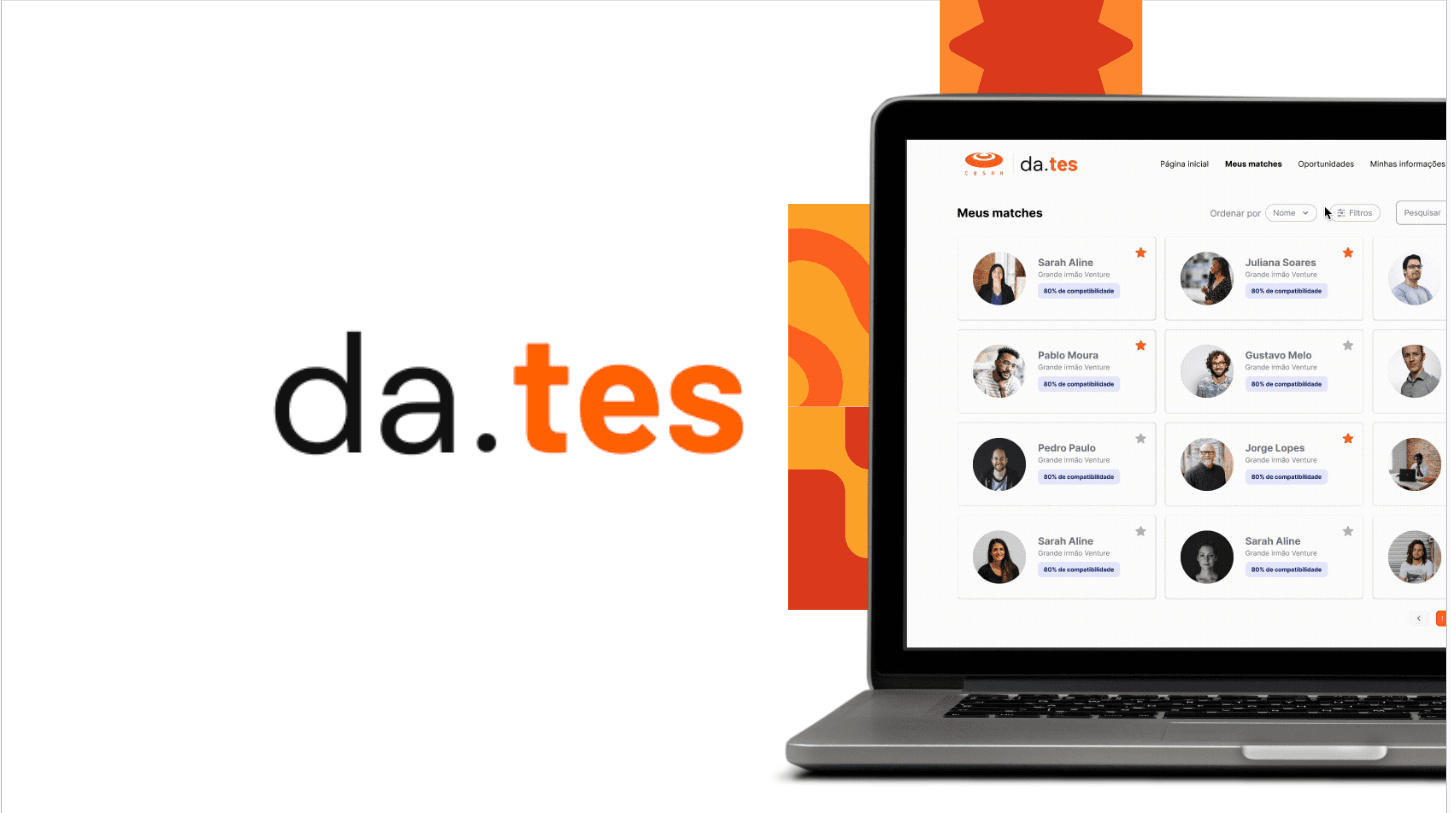
From 824 to 2,000+ startups nationwide: redesigning the platform that became CESAR's official investment tool

da.tes · UX/UI Design

Fintech matchmaking platform — end-to-end research and product design.

[pending]View case
UX Research

Closing a healthcare access gap for LBT women, by co-designing Diversicuida directly with the women and providers it serves

Diversicuida · UX Research

Health platform co-designed with LBT women and healthcare providers, born from academic research.

[pending]View case
UX/UI Design

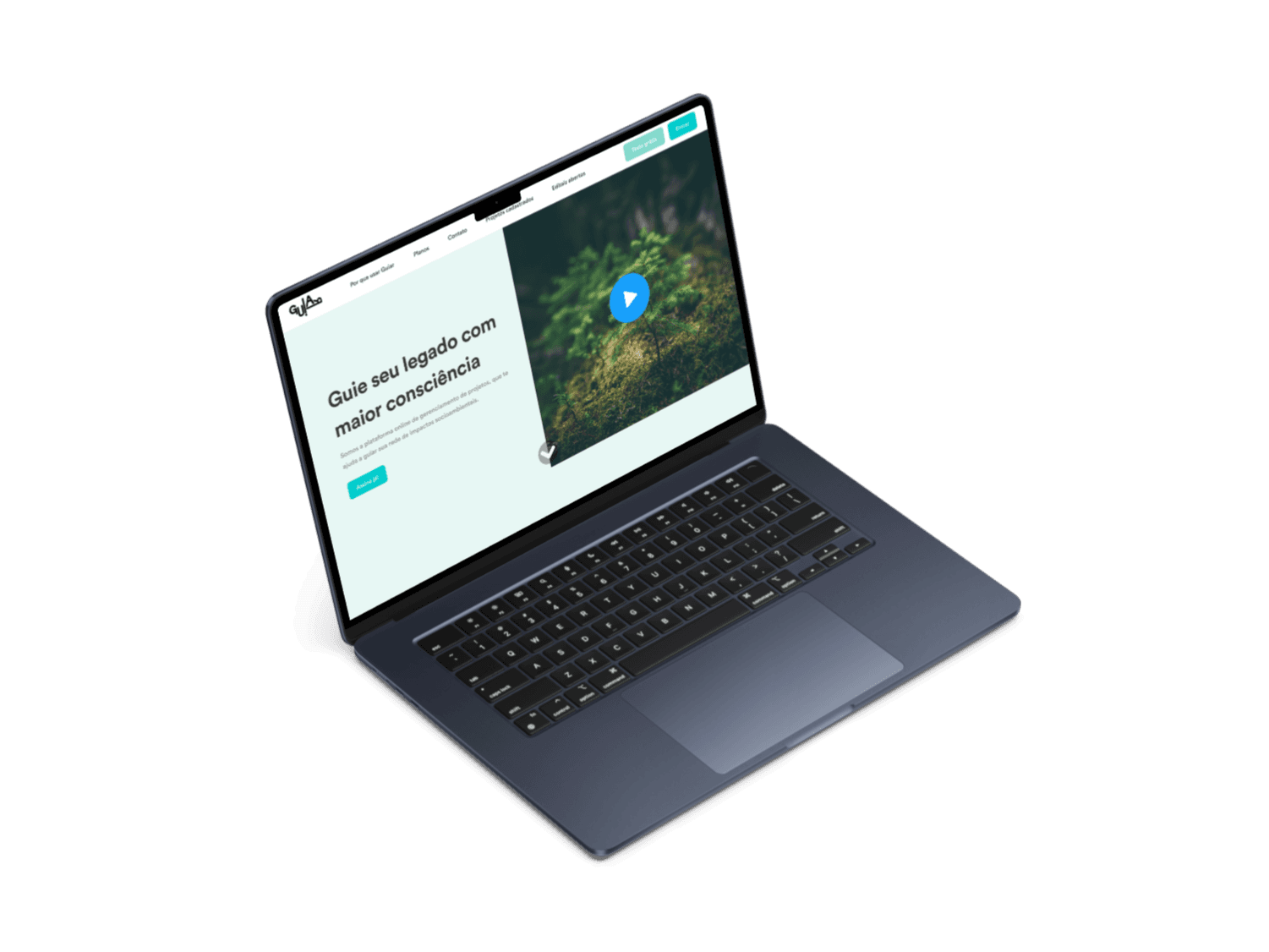
Helping social investment managers replace guesswork with data, by designing two dedicated flows for entrepreneurs and organizations

GUIAR · UX/UI Design

Data-driven platform helping social investment managers and entrepreneurs track and report impact.

[pending]View case
Innovation Strategy

Launching a tech district's first parental space, by coordinating a federally-funded gender equity program across education, entrepreneurship and infrastructure

M.I.N.As · Innovation Strategy

Federally-funded gender equity program spanning education, entrepreneurship and social infrastructure in a major tech district.

[pending]View case
UX/UI Design

Designing and testing a gamified engagement journey for a major bank's youth segment

Confidential Banking Client

A confidential engagement gamifying mobile app experience to increase engagement among users aged 18–25.

Lean Inception in November, experiments run October–NovemberView case

AI Practices

AI didn't replace the way I work. It just gave it more room to move. This is where I keep the experiments, the half-finished ideas, and the tools I'm still learning to use well. Some of it ships. Some of it just teaches me something worth remembering.

Focus areas

  • AI experiments
  • Cursor / Claude workflows
  • Prompt engineering
  • Automation
  • Creative coding
  • Prototyping
  • Foresight practice
  • AI research

Experiments & workflows

Research

  • Turning interview transcripts and open-ended feedback into named themes, fast enough to keep iterating instead of getting stuck in manual coding.
  • NotebookLM for targeted research grounded in sources I choose, not whatever the model already "knows."
  • Perplexity for broader scans, always cross-checked before anything goes into real work.

Vibecoding

I'm still learning where the edges of this workflow are. It usually starts before any tool opens: looking at references, other people's work, competitor benchmarks, things with nothing to do with the project that somehow end up shaping it anyway. Claude and Cursor help me think through structure, not just generate code. Figma's MCP integration lets me build and update a real design system instead of a static file nobody opens again. Vercel makes shipping feel less precious: if something's wrong, I fix it and push again. What I like most is how much closer an idea gets to something real, and how much sooner I find out if it actually works.

Facilitation

  • Bringing GenAI directly into workshop design, not just workshop content: in the FFIE framework, participants co-create speculative artifacts live, using AI as a critical and creative partner instead of a shortcut to a "final answer."
  • Teaching practical AI tool literacy to entrepreneurs and executives (ChatGPT, Lovable, Manus.ai), so a group can go from a raw idea to a testable prototype inside a single working session, not weeks later.

Research & Publications

Research & Publications

Academic research and practice-based workshops exploring generative AI, feminist foresight, and equitable innovation ecosystems.

View Publications

FFIEFeminist Futures in Innovation Ecosystems

PhD in Design — Generative AI & Feminist Foresight

IADE, Universidade Europeia, Lisbon

The FFIE Framework is an original participatory foresight methodology developed as part of a doctoral investigation in Design at IADE, Universidade Europeia Lisboa. It was designed to support stakeholders in co-creating gender-equitable strategies and speculative artifacts within AI-driven innovation ecosystems, grounding futures imagination in feminist, intersectional, and decolonial epistemological commitments.

Audience

Innovation professionals, researchers, designers, policymakers, and organizations committed to advancing gender equity in technology and AI development contexts.

Purpose

To translate empirically grounded structural tensions into participatory workshop experiences that move beyond diagnosis toward the active co-creation of preferred feminist futures, making visible the power dynamics embedded in AI systems and enabling participants to imagine, design, and politically evaluate alternatives.

Validation

The FFIE Framework was validated through two participatory workshops conducted in Recife, Brazil, and Lisbon, Portugal, with twenty-four participants drawn from innovation ecosystems in both countries. Participants were recruited through deliberate intersectional criteria, ensuring the inclusion of structurally diverse professional positions across gender, race, professional role, and organizational context. Two trial sessions preceded the main workshops, informing iterative refinements to facilitation design, instruction sequencing, and activity transitions. Post-workshop feedback was collected through a structured instrument covering methodological clarity, relevance, creative engagement, and transformative potential, yielding a mean rating of 4.65 out of 5, with no score below 4. Qualitative feedback corroborated the quantitative signal with specific and critical observations, confirming the framework's analytical efficacy and its capacity to produce politically legible speculative outputs grounded in empirical structural diagnosis.

FFIE Framework diagram — participatory foresight methodology stages and structure

Publications

  • Why Feminist Design Matters for Generative AI: Perspectives from Lusophone Innovation Ecosystems2026

    Oliveira, A.L., Hernandez-Ramirez, R., Ayanoglu, H.

    International Conference on Gender Research (ICGR) 2026 · Gdańsk University of Technology

    View DOI ↗
  • Speculative Design for Workplace Futures: Fictional Personas and Narratives Assisted by Generative AI2025

    Oliveira, A.L., Hernandez-Ramirez, R., Ayanoglu, H.

    Senses & Sensibility'25 — 13th International Conference

    Upcoming
  • AI and Gender Perspectives in Startup Environments: Mitigating Bias, Challenging Stereotypes, and Design Implications2025

    Oliveira, A.L., Hernandez-Ramirez, R., Ayanoglu, H.

    Human-Computer Interaction — HCII 2025 · Lecture Notes in Computer Science, vol 15772 · Springer, Cham

    View DOI ↗
  • Integrating AI into Co-Design Processes to Achieve Gender Equality in the Innovation Ecosystems of Brazil and Portugal: A Literature Review2023

    Oliveira, A., Ayanoglu, H., Hernández-Ramírez, R.

    Business Sustainability: Innovation in Entrepreneurship & Internationalization — ISPGAYA 2023 · Springer, Cham

    View DOI ↗
  • Plataforma "Se Toca, Mana!": o processo de Design na investigação das barreiras no exercício do direito à saúde de mulheres LBT2023

    Oliveira, A.L., de Araújo, J.M., Barros, H.O.

    Estudos em Design, 31(3)

    View DOI ↗

Workshops

Contact

Want the deep dive on any project? Full case studies live on each project page — happy to talk through any of them.

amandalopesoliv@gmail.com